
The Rise and Correction of Priggishness
Surprised by JoyThis thread traces how school oppression and literary discovery made Lewis intellectually proud, and how experience later corrected that posture.
increasing Bearing strength in each event
 decreasing
Bearing strength in each eventdecreasingPrivate Reading

Private Reading
Unadvertised Taste
Lewis read poetry, mythology, and fiction because he enjoyed them, not because he thought they made him superior. The books were private pleasures with little social recognition.
No Literary Status
He had not yet encountered a culture that treated literary interests as badges of distinction. His separation from other readers made him feel unusual, but not yet proud.
Discovering a Literary In-Group

Discovering a Literary In-Group
Taste Becomes Public
Lewis realized that other boys also valued poetry and serious reading. What had seemed his private preference could now be imagined as membership in a cultivated group.
The Dangerous Turn
He began to treat shared taste as evidence of superior taste. That transition gave him a position from which to scorn the school culture he had previously endured without a counteridentity.
Contempt for the Bloods
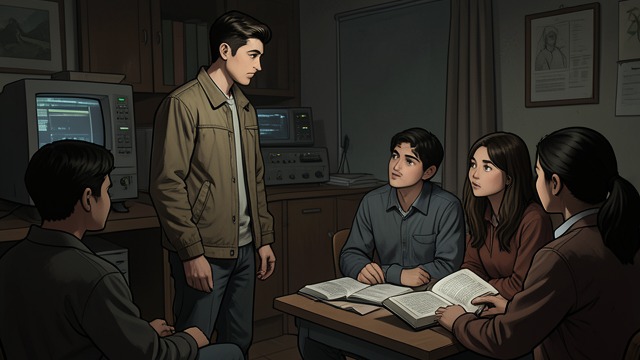
Contempt for the Bloods
Retaliatory Pride
A prefect's vulgar manner helped provoke Lewis's inward judgment that he was better than the school's privileged boys. His intellectual identity became a defense against social humiliation.
A New Form of Captivity
Lewis recognized later that the hierarchy had produced a reaction it claimed to prevent. Contempt offered psychological relief but also narrowed his ability to understand other people.
Leaving the School World

Leaving the School World
Relief from Competition
Lewis left Wyvern with intense relief at escaping compulsory games and social performance. The move ended an environment that had made exhaustion and resentment central to his days.
A New Intellectual Setting
At Great Bookham, the emphasis shifted from status to argument and study. Lewis could build intellectual confidence without relying on school rank.
A Larger View of the Past
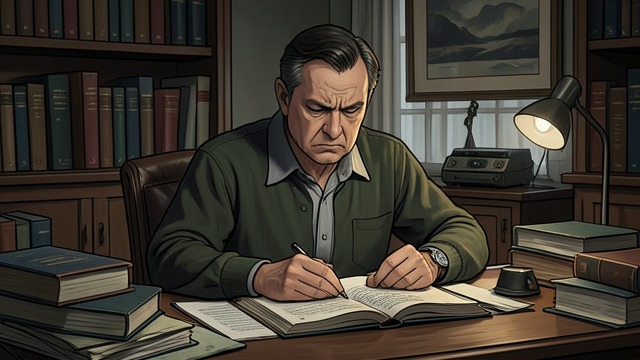
A Larger View of the Past
Assumptions Challenged
Barfield questioned Lewis's assumption that ideas were false merely because they belonged to an earlier age. Lewis had to ask whether old positions had been refuted or simply fallen out of fashion.
Intellectual Humility
This debate weakened the chronological confidence that had supported his priggish self-image. He learned to scrutinize his own era as critically as he scrutinized the past.
Before Lewis entered Wyvern
Early at Wyvern
During Lewis's first period at Wyvern
1914, before Lewis began study at Great Bookham
During the Great War with Barfield
